
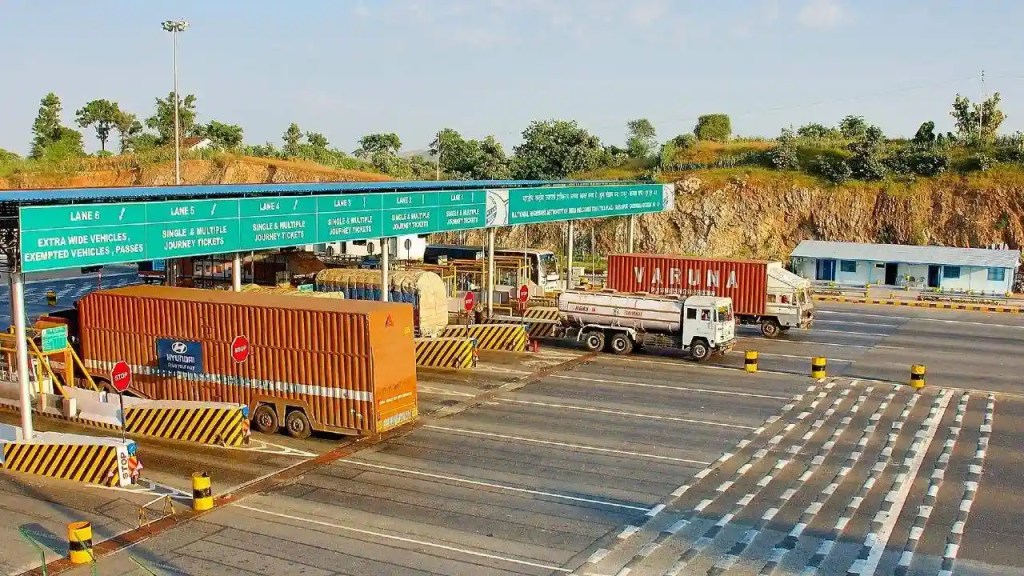
India’s highways have become faster, smoother, and far more organised over the last few years. One major reason behind this transformation is FASTag. If you regularly travel on national highways, you’ve probably noticed how toll plazas have become quicker and less chaotic. Now, with the introduction of the annual pass concept, frequent travellers can save both time and money. This guide explains how the FASTag annual pass works, who should use it, and what you need to know before opting for fastag annual pass recharge.
What Is a FASTag Annual Pass?
A FASTag annual pass is designed mainly for people who frequently use the same toll routes. Instead of paying toll charges every single time, users can pay a fixed amount in advance for a defined period. This approach reduces repeated deductions and offers predictable travel costs.
The annual pass is especially useful for daily commuters, transport professionals, and people living near toll plazas who cross them multiple times a week. It’s a more convenient alternative to regular per-trip toll payments.
How the Annual Pass System Works
Once you purchase or activate the annual pass, it gets linked to your existing FASTag. Whenever you cross eligible toll plazas, the system automatically recognises your pass and allows seamless movement without deducting individual toll charges—subject to the pass terms and route limits.
You don’t need a separate device or sticker. Everything works through the same FASTag infrastructure already installed across India’s highways.
Understanding the Role of NHAI
The National Highways Authority of India plays a central role in planning, regulating, and implementing FASTag policies. The nhai fastag annual pass initiative aims to support smoother traffic flow and reduce congestion at toll booths, especially in high-traffic zones.
NHAI collaborates with banks and FASTag issuers to ensure the pass system is transparent, secure, and accessible. While not all toll roads may be covered, the network continues to expand gradually.
Who Should Consider an Annual Pass?
An annual pass is not for everyone, but it can be extremely beneficial if:
- You commute daily or weekly on national highways
- You cross the same toll plaza repeatedly
- You want to avoid fluctuating toll deductions
- You prefer prepaid travel expenses
For occasional highway users, a normal FASTag balance may be more cost-effective. But for frequent travellers, the annual pass often pays for itself over time.
Recharge and Validity Details
Managing your pass is straightforward. Most FASTag issuers allow you to check validity, usage limits, and remaining days through their mobile apps or customer portals. Recharging or renewing the pass before expiry ensures uninterrupted access at toll plazas.
It’s important to note that annual passes usually have conditions such as a maximum number of crossings or route-specific validity. Always read the terms carefully before activating or renewing.
Benefits Beyond Cost Savings
Apart from financial savings, the annual pass offers several practical advantages:
- Faster toll clearance with minimal waiting
- Reduced fuel consumption due to fewer stops
- Lower stress during peak traffic hours
- Better budgeting for regular highway travel
These benefits make the annual pass attractive not only for individuals but also for small businesses and fleet operators.
Common Questions and Misconceptions
Many users assume the annual pass works on all highways across India. In reality, coverage depends on notified routes and toll plazas. Another misconception is that you need a new FASTag—this isn’t true. The pass simply enhances your existing FASTag account.
Some also worry about refunds if travel frequency changes. Policies vary by issuer, so it’s best to confirm cancellation or refund rules in advance.
Final Thoughts
FASTag has already transformed highway travel in India, and the annual pass is another step toward smarter mobility. For frequent highway users, it brings predictability, convenience, and long-term savings. Before opting in, assess your travel patterns, check eligible routes, and understand the pass terms clearly.
 Site Title
Leave a comment